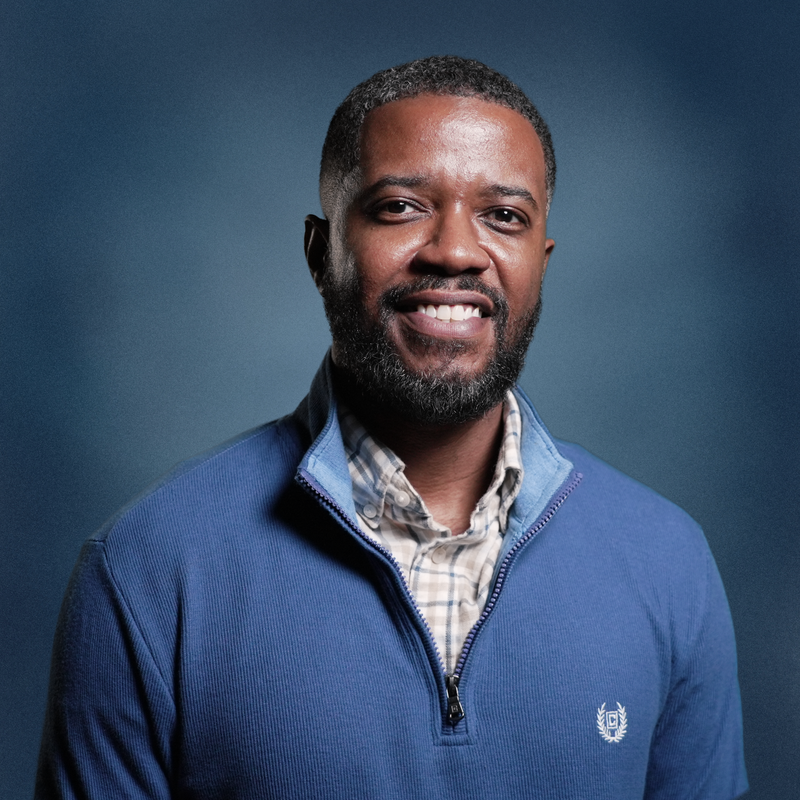
Fleming Slone has been a full-stack developer for nineteen years. He started at Georgia Tech on a full academic scholarship, ran a web hosting company through college, and spent the years after that inside the engineering organizations of WebMD, RR Donnelley, and FLIR, with consulting work for Microsoft, Meta, and FIS along the way. That is the resume. It is not the reason this company exists.
The reason is a pattern he kept running into. Somewhere in nearly every engagement there came a moment when the technical problem was entirely solvable, but nobody could explain it to the people who had to decide what to do about it. The engineers understood the situation. The executives, the board, and the client did not. And in the gap between them, capable companies made expensive decisions out of fear. Fleming founded Autonomous Agent AI in 2024 to work in that gap — to be the person who is technical enough to fix the thing and clear enough to explain it while the fixing is happening.
The work tends to arrive on somebody's worst week. A company discovers it has been breached and needs someone who can lead the remediation and then sit in front of a leadership team that wants to know, in plain English, what was taken, what it costs, and what happens next. A business watches its search rankings fall off a cliff after a migration or an algorithm shift, and needs an honest diagnosis before it needs a strategy. An AI system that demoed beautifully turns out to be wrong often enough that nobody trusts it anymore, and the team has stopped being able to say why. Different problems, identical shape: something technical has become urgent, and the people who have to make the call cannot see it clearly enough to make it.
Fleming's contribution in those rooms is rarely the flashiest part of the fix. It is the whiteboard — the version of the situation that a CFO, a general counsel, and a lead engineer can all look at and agree is accurate. Once everyone is looking at the same picture, the technical work becomes far less dramatic. You scope it, you sequence it, you ship it, and the business gets back to being a business. Clients tend to remember that part more than the code.
The range underneath it is real. He earned a Certified Ethical Hacker certificate and enrolled in the FBI's InfraGard program, which works to protect critical U.S. infrastructure — the security fluency that breach work demands. He has been recognized for civic service in the Atlanta community with awards from three different U.S. Presidents. And he still writes code. You can find him on LinkedIn, or read his full bio for the longer version.
The team he has built since reflects the same idea. Everyone here is expected to do excellent technical work and to be able to explain it to the person paying for it.